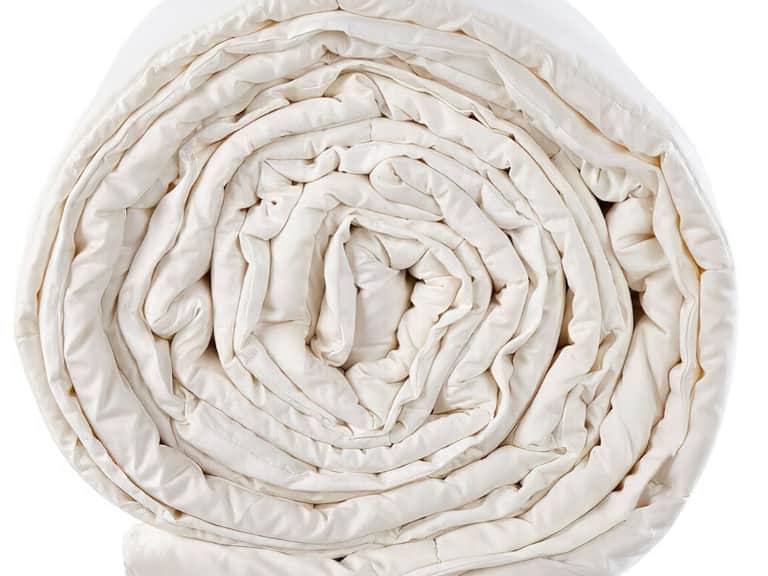
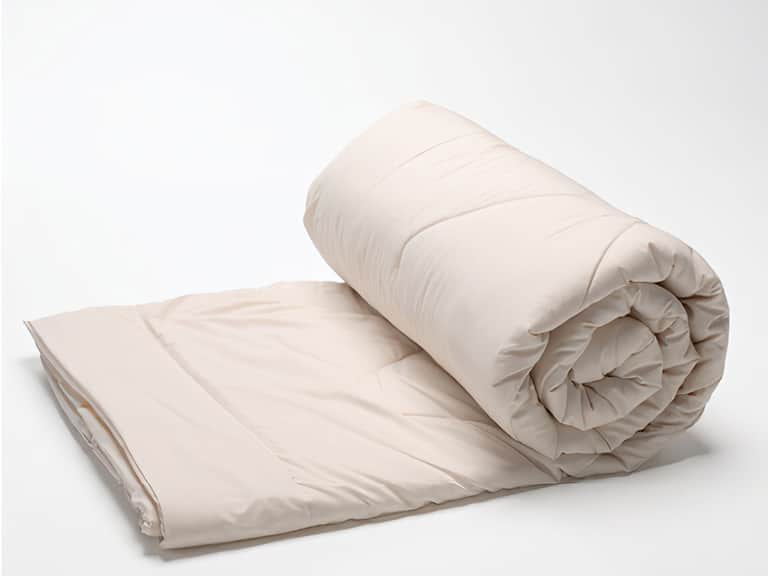
Wool comforters are valued for natural temperature regulation, moisture management, and durability, making them a practical choice for a balanced sleep environment. Their insulating properties help maintain comfort across seasons, while the breathable wool fibers reduce overheating. This category highlights how wool blends and pure wool options support long-lasting warmth with a lighter feel than many synthetic alternatives.
Key features to consider include fiber origin, fill power, and fabric weave. Wool comforters often use carded or worsted wool for even filling, plus breathable covers like cotton or linen blends to enhance airflow. Some designs incorporate loft retention to preserve warmth without excessive weight, enabling steady sleep temperatures and reduced nighttime tossing.
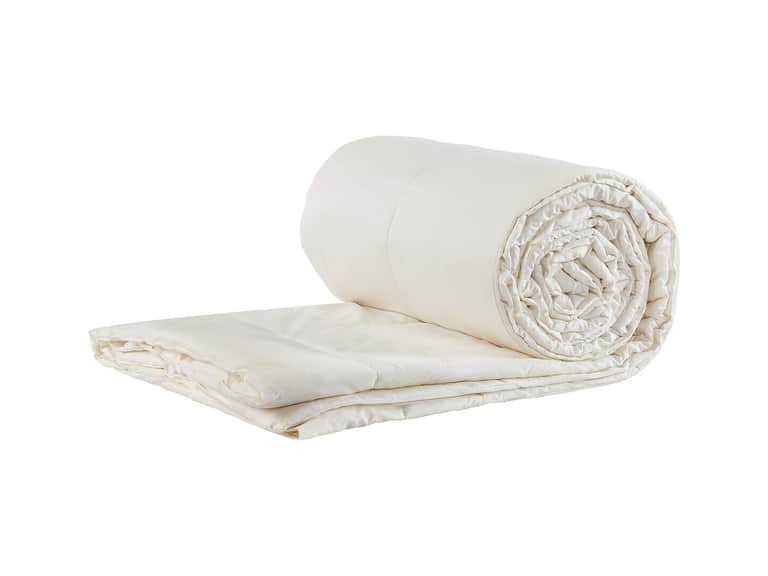
Within this category, the Sleep and Beyond myComforter exemplifies thoughtful engineering, combining wool fill with thoughtfully chosen shell fabrics. Features may include andean or merino wool for softness, machine-washable shells for practicality, and stitched baffles or box construction to prevent shifting. Functional benefits emphasize warmth, resilience, and ease of care.
Understanding usage scenarios helps clarify suitability: wool comforters suit cooler bedrooms, patients or homes aiming for hypoallergenic handling, and sleepers who prefer natural fibers over synthetic fills. Their intrinsic odor resistance, flame-retardant qualities of wool, and low static generation contribute to a calm, low-maintenance bedding experience across varied sleep environments.
For bedding systems that include pillows and sheets, wool comforters pair well with breathable sheet sets and adjustable beds to maintain balanced microclimates. When selecting, consider fabric care requirements, fill density, and warmth rating to align with personal comfort needs. This category consolidates knowledge on materials, performance, and practical care for informed decisions.
 Bedding